Existing Building Cx
City of Houston UAR19
Existing Building Cx
Cherry Point MCAS19
Existing Building Cx
NAS Pensacola19
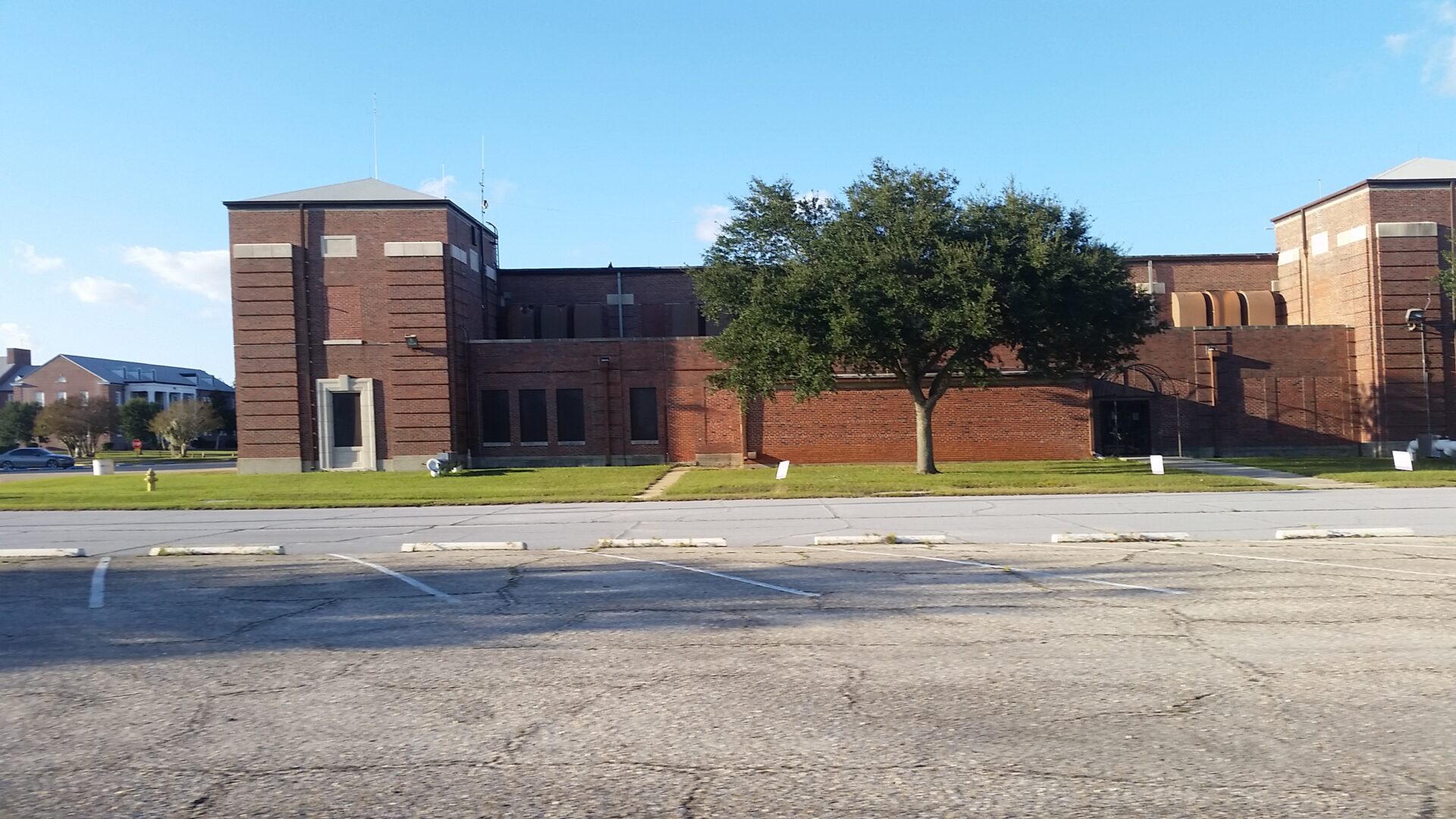
Command Commissioning (CCLLC) developed a Utility Assessment Report (UAR) for several buildings operated by the City of Houston including the Houston Permitting Center, Public Works, and City Hall. CCLLC identified the Houston Permitting Center for implementation of the Continuous Commissioning® (CC®) process and a number of retrofit opportunities at the Public Works building for outside airflow optimization, plant sequence optimization and central air handling unit (AHU) optimization.
Work Performed by individual: Assisted with utility rate reviews, reviewed project baseline energy model calculations. Performed site visits to identify potential opportunities and assisted with the CC® measure identification. After the measure identification, reviewed detailed descriptions and scopes for each measure and assisted with the development of the implementation plan.
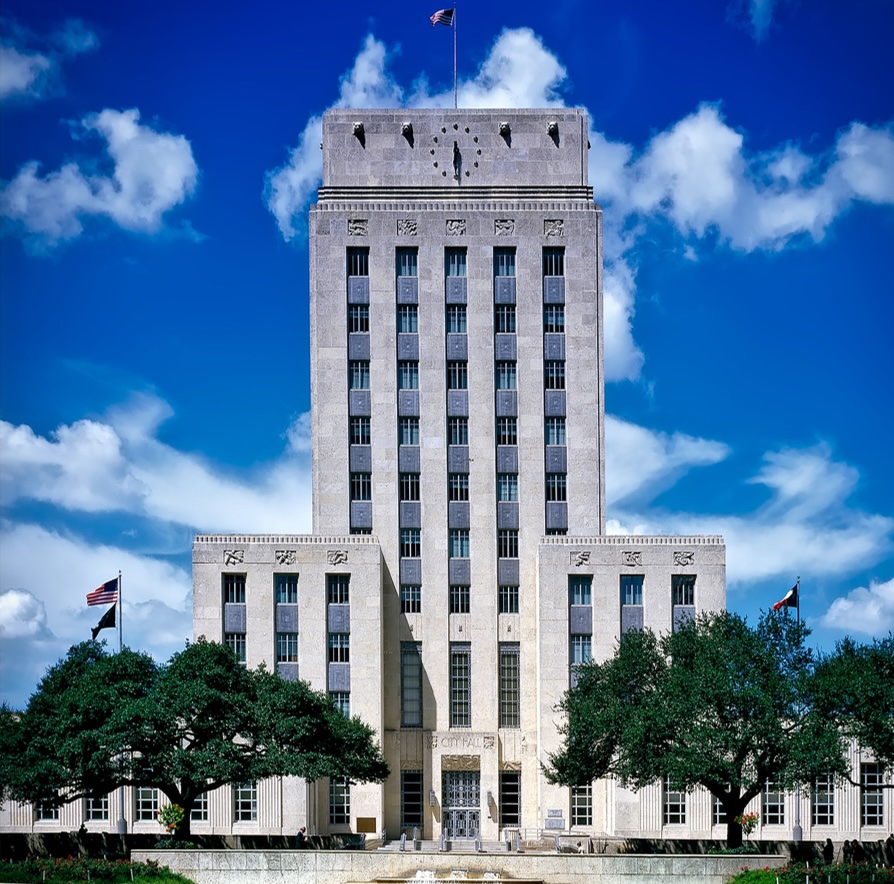
CCLLC supported Ameresco in the IGA for Cherry Point Marine Corps Air Station (MCAS) in North Carolina. CCLLC combined onsite surveys, sequence reviews, and engineering analysis to identify building requirements, HVAC system deficiencies, Continuous Commissioning® optimization measures, and other ECMs impacting HVAC system performance. Site surveys during the IGA phase are intended to collect information including but not limited to building usage, occupancy requirements, installed equipment configuration and condition, BAS capability, and operational challenges.
Field testing and investigative activities resulted in the generation of a Continuous Commissioning® Issues Log CCxL that includes observed issues and specific recommended corrective actions. The key sensors and devices of the building mechanical systems were tested for accuracy and performance. This targeted effort captured obvious issues preventing successful implementation of the process as well as typical challenges impacting operations at the site. Onsite access to the BAS, as-built controls drawings, site survey information, and project ECM list were used to generate the Continuous Commissioning® Measure Matrix. The targeted optimization measures are divided into five categories: scheduling, air-handlers, terminal units, chilled/condenser water plant, and heating water plant.
The CCM Matrix presented results in three scope categories: modifications to existing systems/sequences, upgrades to controls systems, and coordination with other HVAC related upgrades. The approach to layout the CCMs in one of the three categories of increasing control/system capability will result in more accurate prediction of the total savings estimated. The benefits of this approach include accounting for savings from control sequence modifications based on the cumulative ECMs applied to any system, preventing double-counting of savings.
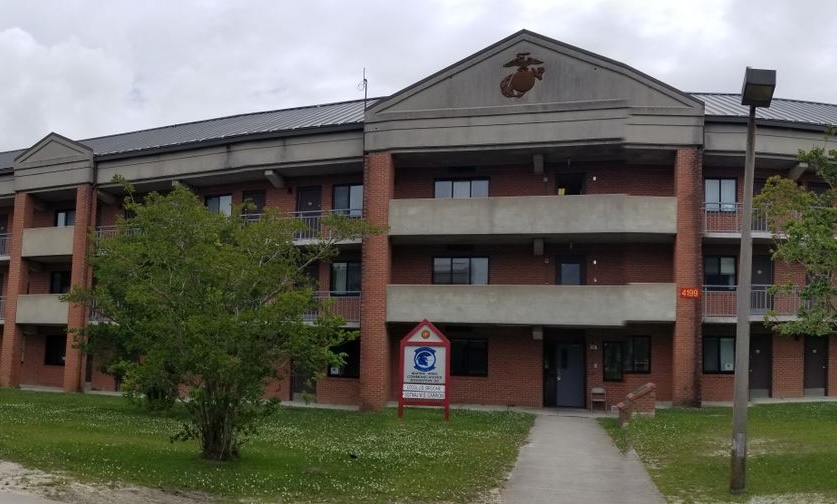
CCLLC supported Pepco Energy Services in the Investment Grade Audit (IGA) for the Naval Air Station–Pensacola (NASP) in Florida. CCLLC combined onsite surveys, sequence reviews, and engineering analysis to identify building requirements, HVAC system deficiencies, Continuous Commissioning® optimization measures, and other energy conservation measures (ECMs) impacting HVAC system performance. Site surveys during the IGA phase are intended to collect information including but not limited to building usage, occupancy requirements, installed equipment configuration and condition, BAS capability, and operational challenges.
The energy savings potential from applying the Continuous Commissioning® process at each building was analyzed using models configured to calculate the annual utility cost savings of modifying the existing mechanical equipment operation. The difference in energy consumption was estimated based on application of conservative performance enhancing control strategies to the as-found control sequences at each building, for each system. This analysis was coordinated with Pepco by utilizing their record of installed equipment and identifying other project ECMs that impact HVAC system performance. This approach ensured consistent use of equipment performance data across the project as well as modeled control strategies based on final HVAC system configuration.
The Continuous Commissioning® process included managing the commissioning issues log, establishing a project-wide trend monitoring program, preparing detailed implementation building submittals to document baseline conditions and recommended sequence strategies and setpoints, overseeing controls vendor responsible for implementing control sequence and hardware modifications, and performing ongoing performance verification. Approximate stats included 975 measures across 29 buildings impacting 15 chilled water plants, 30 heating water plants, 175 AHUs, and 4,000 terminal units.